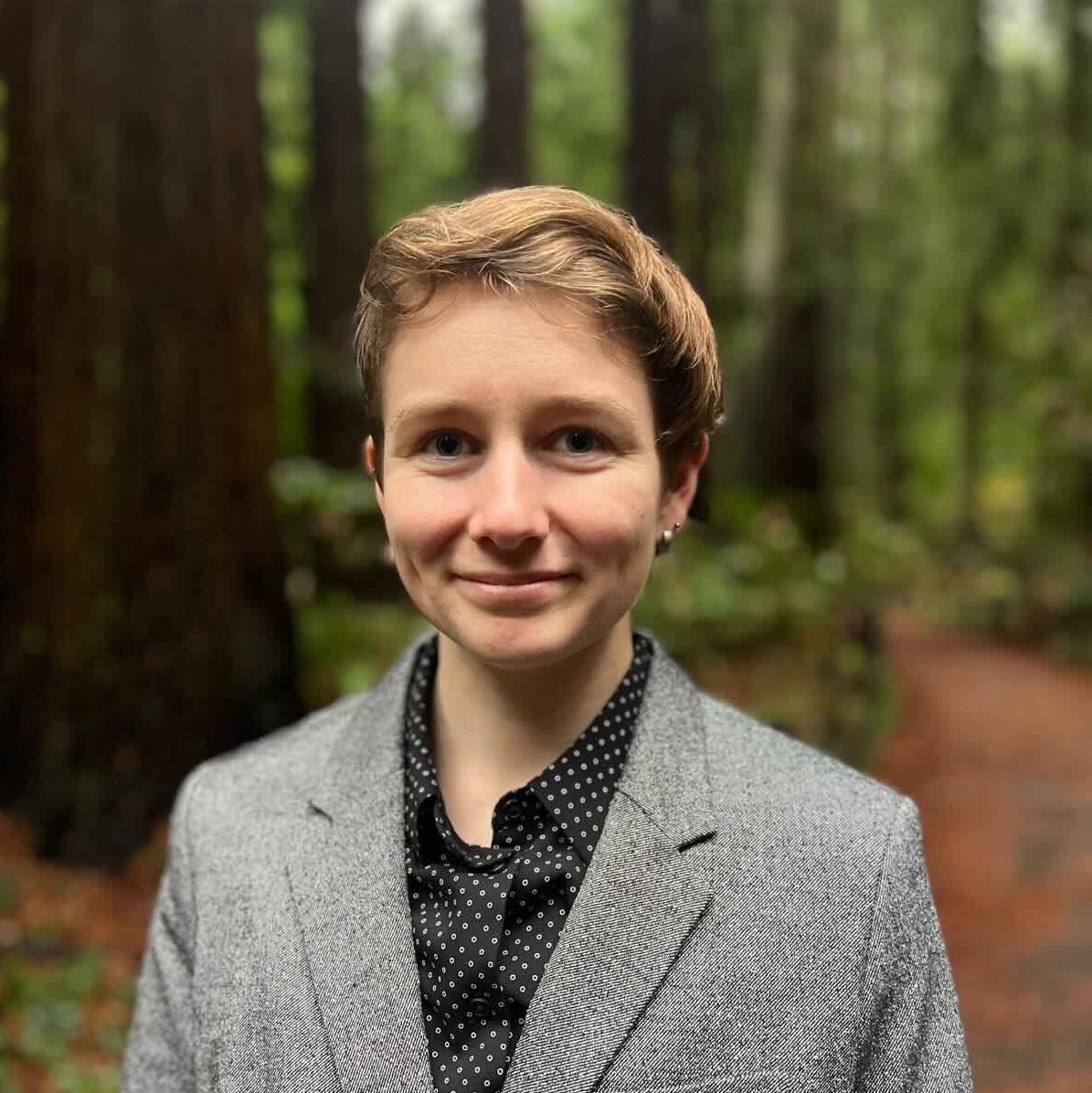
Finn Callahan
About Me
I am a Computational Biology Ph.D. student at UC Berkeley working with Dr. Rasmus Nielsen. I got my BA in Mathematical and Computational Biology from Scripps College in 2021. I work on a variety of statistical and computational models to investigate questions about how ecological communities form, and how and why they change over time. My recent work has focused on simulation studies using network models for community ecology and methods development for analysis of ancient environmental DNA. I am also dedicated to promoting diversity in the sciences through equity-oriented mentorship and teaching!
Research Interests
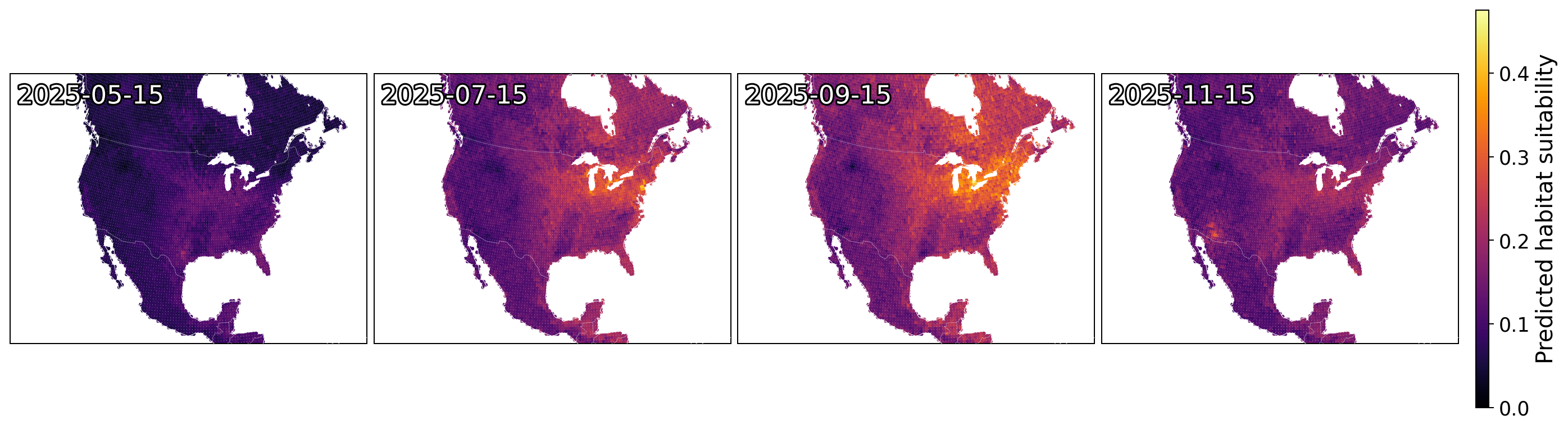
- Community ecology: species interactions, responses to climate change, species distribution modeling
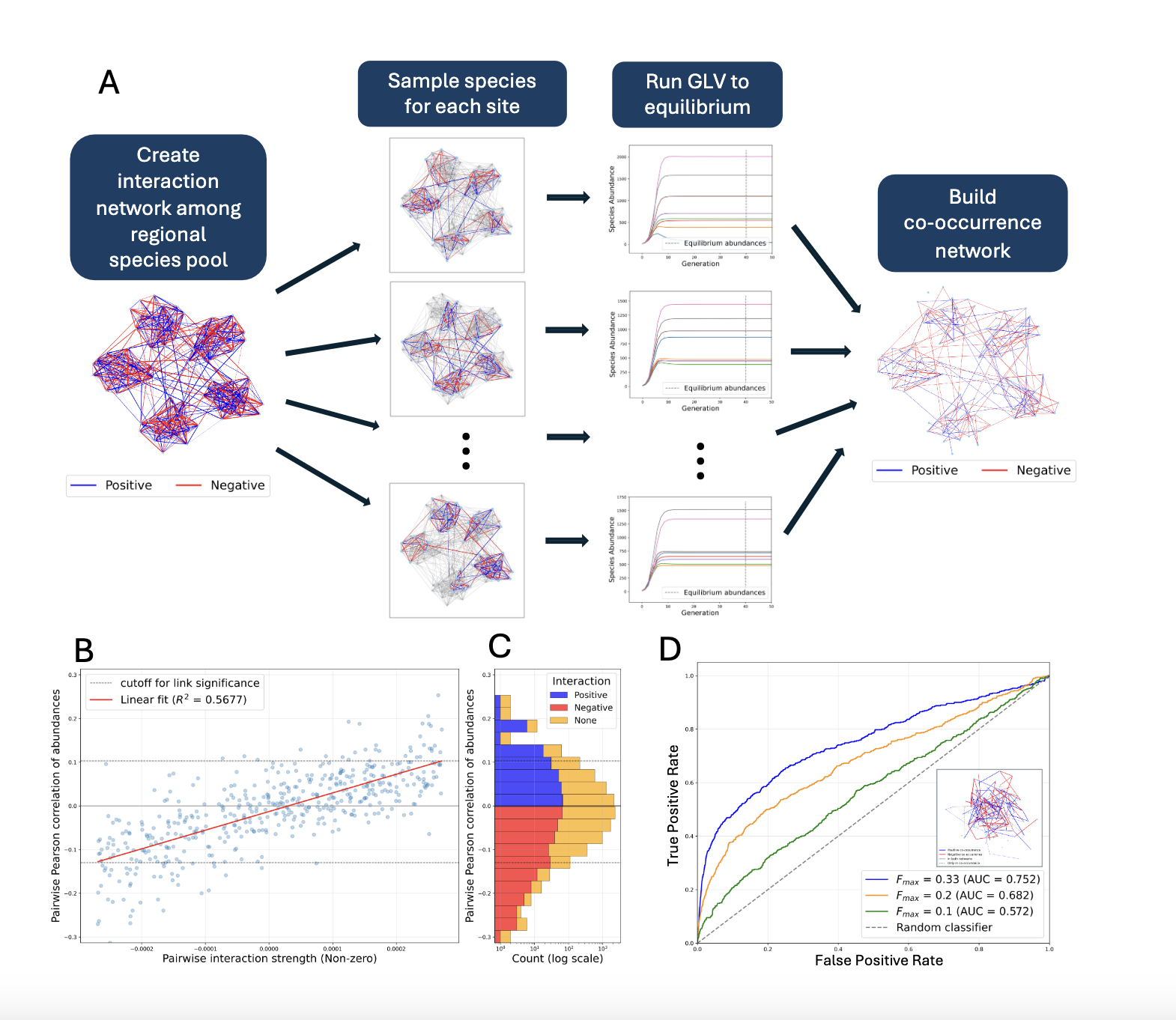
- Ecological network theory: co-occurrence networks, interaction networks, dynamical systems
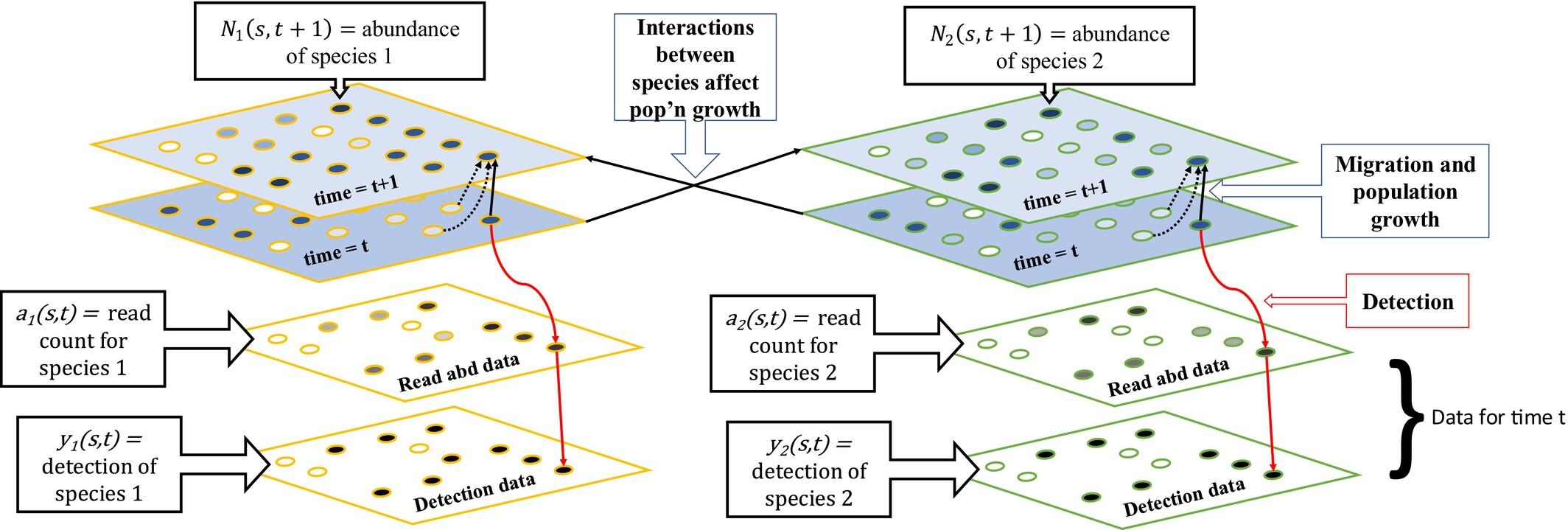
- Environmental DNA: sedimentary ancient DNA, time series data, modeling change in communities over time
Publications
*Some publications appear under Fiona Margaret Callahan
Teaching & Mentorship
Interim Lecturer, Department of Integrative Biology, UC Berkeley
- Instructor of record for Human Biological Variation (IB35AC; ~400 students; Spring 2027)
- Managed five graduate student instructors
- Modified syllabus and lesson plans to center active learning and student engagement in a large lecture setting
Graduate Student Instructor, UC Berkeley
- Led discussion sections for Human Biological Variation (~80 students, Spring 2026)
- Taught Berkeley Connect in Computational Biology (40 students, Fall 2023 & Spring 2024)
- Designed original syllabi, lesson plans, and coordinated accessibility accommodations
Math Instructor, Mount Tamalpais College, San Quentin Rehabilitation Center
- Volunteer math instructor for college-level and college-preparatory courses for incarcerated students at San Quentin Rehabilitation Center (Summer 2024 - Present)
- Designed and taught lessons; created assignments and exams for adult students
Research Mentorship
- Mentored 6 undergraduate research assistants in computational biology projects (2022 - Present)
- Designed independent research projects and provided weekly mentorship meetings
Mentorship & Outreach
- Computational Biology Mentorship Committee (2023 - Present): coordinating professional development workshops and one-on-one peer mentorship for early-career PhD students
- Workshop leader, Expanding Your Horizons conference (2023 - 2026): introducing middle school girls and gender-diverse youth to STEM careers
- Volunteer mentor, Be A Scientist program: guided 7th grade students in designing and conducting independent experiments
Pedagogical Training
- Completed workshops in inclusive classroom design, accessibility, and evidence-based teaching practices
- Completed pedagogy and mentorship courses at UC Berkeley
Land Acknowledgement
We recognize that Berkeley sits on the territory of xučyun (Huichin [Hoo-Choon]), the ancestral and unceded land of the Chochenyo (Cho-chen-yo) speaking Ohlone people, the successors of the historic and sovereign Verona Band of Alameda County. This land was and continues to be of great importance to the Muwekma (Muh-wek- muh) Ohlone Tribe and other familial descendants of the Verona Band.
We recognize that every member of the Berkeley community has benefitted, and continues to benefit, from the use and occupation of this land since the institution’s founding in 1868. Consistent with our values of community and diversity, we have a responsibility to acknowledge and make visible the university’s relationship to Native peoples. By offering this Land Acknowledgement, we affirm Indigenous sovereignty and will work to hold the University of California, Berkeley more accountable to the needs of American Indian and Indigenous peoples. This statement was developed in partnership with the Muwekma Ohlone Tribe and is a living document.